How to Stop Silk Flowers From Fraying at the Edges

Time:2026-09-06 Author:Madeline
0%

Why do some silk flowers fray at the edges? The answer usually begins with construction, not poor decoration. Many artificial petals use polyester satin, rayon blends, or thin woven fabrics. Their cut edges contain exposed yarns. Repeated handling, sharp stems, humidity, and heat can loosen those yarns. Scissors can also crush the edge before the flower leaves the workshop.

Market research from Grand View Research and Mordor Intelligence shows continued growth in artificial flowers and decorative botanical products. That growth increases demand for realistic textures, narrow petals, and lightweight materials. These details look beautiful. They can also create weak borders. Industry textile testing standards, including AATCC abrasion methods and ISO 12947, demonstrate how repeated rubbing changes surface fibers. Home displays rarely receive laboratory testing. Still, the same physical forces apply.

Textile consultant Deborah Young offers a useful warning: “A fabric’s beauty often depends on how its edges are finished.” That principle matters here. A raw petal edge may need careful sealing, controlled trimming, or a flexible fabric medium. Excessive glue can create a shiny, stiff line. High heat can distort synthetic fibers. I have found that gentle handling works better than aggressive repairs, although results vary between fabrics.

This guide explains how to stop silk flowers from fraying at the edges. It compares flame sealing, clear fabric sealants, narrow stitching, and preventive storage. No method is perfect. Test each treatment on a hidden petal first. A realistic flower should still look soft, natural, and touchable after repair.
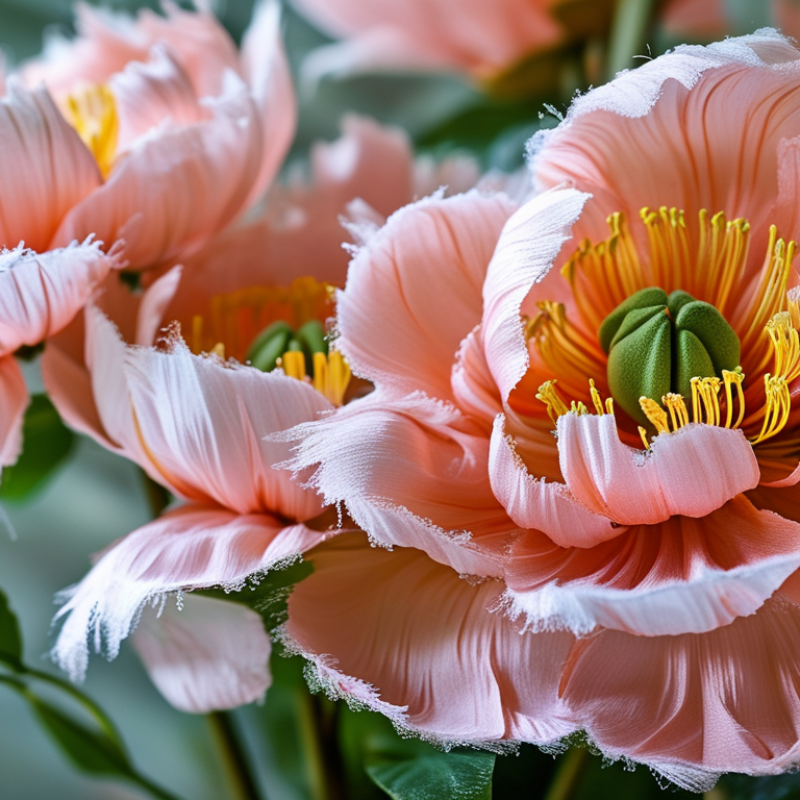
How to Stop Silk Flowers From Fraying at the Edges

Identify the Causes of Fraying in Silk Flower Edges

Fraying usually begins with the flower’s fabric, not the finished edge. Many silk flowers use polyester, nylon, or blended textiles. Loose weaves shed threads more easily than tightly woven petals. Thin fabric also reacts poorly to repeated bending. The edge may look neat at first, then develop tiny hairs after handling.

Heat can create another problem. Some petals are cut with heated tools, which seal synthetic fibers. Uneven heat may leave weak, brittle edges. Excessive heat can curl the petal or darken its color. Scissors may produce a cleaner shape, but they leave fibers open. I once blamed poor storage for fraying, yet the original cut was already uneven.

Friction is a common, overlooked cause. Petals rub against floral wire, baskets, packaging, or nearby decorations. Dusting with a rough cloth can pull delicate threads. Moisture may weaken certain finishes, especially when flowers are stored before fully drying. Direct sunlight can make older fabric stiff and fragile. Glue can also contribute when it soaks through the edge and hardens. Check the back of one petal first. A hidden test can reveal whether trimming, gentle heat, or a clear fabric sealant is suitable. Not every flower responds well to the same repair.

Gather Safe Tools and Materials for Edge Treatment

Before treating frayed silk flowers, gather tools that give you control rather than force. You will need sharp detail scissors, fine tweezers, a small soft brush, cotton swabs, and a clean tray. Add a heat-resistant work mat, protective eyewear, and thin heat-resistant gloves. Keep a waste container nearby for trimmed fibers.

Choose materials according to the flower’s fiber content. Many “silk” flowers are polyester, while some use rayon or genuine silk. Check the care label or supplier information when available. For synthetic petals, a low-temperature craft heat tool may seal tiny loose fibers. Use it carefully, with steady movement. Never hold heat in one place. Test on a hidden petal or spare piece first. It may shrink, darken, or curl more than expected.

A flexible, water-based fabric adhesive can help secure delicate edges. Use a fine brush and apply a very thin layer. Excess adhesive can leave a stiff shine. Work near an open window, and keep the tool away from paper, dry leaves, and loose fabric. I once used too much adhesive on a pale petal; the edge looked heavier than the original fraying. That mistake taught me to build treatment gradually. If the material is unknown, skip heat and trim only the loose threads. Safety matters more than a perfectly sealed edge.

Trim Loose Threads and Reshape Damaged Petals

How to Stop Silk Flowers From Fraying at the Edges

Loose threads can make silk flowers look tired and unfinished. In my experience, careful trimming fixes most frayed edges without damaging the petal shape. Use small, sharp scissors and remove one thread at a time. Cut close to the fabric, but never pull the thread. Pulling can stretch the weave and create a larger tear.

I once trimmed too close to a rose petal. The edge became uneven and obvious. Since then, I leave a tiny margin and inspect the flower from different angles. For stubborn threads, use fine tweezers, then trim the remaining fiber with scissors. A clear fabric sealant can help, but test it on an unseen area first. Some materials darken slightly.

Tips: Reshape bent petals with gentle steam from a distance. Keep the flower moving, and avoid soaking the fabric. Warmth should soften the fibers, not flatten them. Shape each petal with clean fingers while it is flexible. Let it cool completely before arranging it.

For crushed petals, place the flower near mild steam for a few seconds. Support the underside with your thumb and curve the edge outward. Do not press hard. Excess heat may loosen glue or distort synthetic fabric. If the petal remains damaged, trim it into a natural curve rather than forcing a perfect outline. Real flowers are rarely symmetrical. That small imperfection often looks more convincing.

Seal Petal Edges With Heat or Fabric-Safe Products

Silk petals often fray because their cut edges expose loose synthetic fibers. Textile Exchange’s 2024 Materials Market Report reported polyester at about 59% of global fiber production. That matters because many artificial flowers use polyester blends, which respond well to controlled heat. Test one hidden petal first. A small mistake can shrink, darken, or curl the fabric.

Hold the edge near, but not inside, a candle flame for one second. Move continuously. The heat should soften the fibers, not burn them. A low-temperature craft heat tool can offer steadier control. Keep the nozzle several centimeters away. Work in short passes. Never heat foam centers, wired stems, or glued decorations. A metal spoon placed behind the petal can shield nearby layers, though it may transfer heat quickly.

For delicate or unknown fabric, choose a fabric-safe anti-fray liquid instead. Apply a thin line with a fine brush, then let it dry fully before shaping the petal. Product safety sheets should identify fabric compatibility, drying time, and ventilation guidance. The American Association of Textile Chemists and Colorists emphasizes controlled testing for textile performance, but no standard can predict every decorative finish. I once over-sealed a pale petal; the edge became visibly stiff. Use less product than expected, and inspect the result under daylight. Freshly cut edges need patience.

How to Stop Silk Flowers From Fraying at the Edges

Approximate melting-point ranges of common synthetic fibers used in artificial petals

Polyester is widely used in artificial flowers and can be carefully edge-sealed with controlled heat. Always test on a hidden area first, keep the heat source moving, and use fabric-safe sealants when the material is unknown. The temperatures shown are approximate fiber melting ranges, not recommended tool settings.

Store and Maintain Silk Flowers to Prevent Further Fraying

Silk flowers fray faster when dust, heat, and pressure weaken their fabric edges. Store them in a rigid, breathable box with acid-free tissue around each bloom. Do not stack heavy decorations on top. A crushed petal rarely returns to its original shape.

Keep the container away from radiators, sunny windows, and damp bathrooms. The Library of Congress recommends about 30–50% relative humidity for many textile collections. Smithsonian textile-care guidance also favors stable humidity and temperatures below 21°C. These figures suit artificial flowers because moisture can encourage mildew, while heat may loosen adhesives and curl synthetic fibers. Check the storage area with a small hygrometer. Cheap meters can be inaccurate, so compare readings occasionally.

Dust flowers with a soft makeup brush or cool air from a distance. Never rub the edges; friction pulls tiny threads outward. When a thread appears, cut only the loose strand with sharp embroidery scissors. Test a small hidden area before applying fabric-safe edge sealant. I once used too much, and the petal became stiff. That mistake still matters. Leave flowers fully dry before boxing them again, and inspect every few months. Rotate their position gently, rather than forcing bent stems straight. Avoid sealed plastic bags for long storage. They trap condensation and can flatten delicate petals.

How to Stop Silk Flowers From Fraying at the Edges: Store and Maintain Silk Flowers to Prevent Further Fraying
Maintenance Area Recommended Action Practical Details Suggested Frequency What to Avoid
Initial Inspection Check petals and leaves before arranging or storing. Look for loose threads, lifted seams, crushed folds, and exposed fabric edges. Separate damaged pieces so the fraying does not catch on other stems. Before use and storage Pulling loose threads by hand, which can make the damaged area larger.
Loose Thread Removal Trim loose fibers carefully with sharp, small scissors. Cut only the protruding thread close to the edge. Keep the blades parallel to the fabric and avoid cutting the stitched or bonded edge. As needed Using blunt scissors, craft knives, or open flames near synthetic fabric.
Edge Stabilization Apply a small amount of clear fabric sealant to a hidden test area first. If the color and texture remain unchanged after drying, apply a very thin line to the fraying edge using a fine brush or toothpick. Allow it to dry fully before handling. For minor fraying Soaking the petal, applying a thick layer, or using an untested adhesive that may stain or harden the fabric.
Dust Removal Remove dust with gentle, low-contact methods. Use a cool hair-dryer setting from a distance, a hand air blower, or a soft makeup brush. Support the petal from underneath while brushing. Every 1–3 months High-pressure air, vigorous rubbing, wet wipes, and stiff brushes.
Spot Cleaning Blot small marks with a barely damp, soft cloth. Test an inconspicuous area first. Use clean water only unless the care instructions specifically permit a mild detergent. Blot rather than scrub, then air-dry completely. Only when needed Machine washing, soaking, bleach, alcohol-based cleaners, and excessive moisture.
Shape Protection Restore natural curves without forcing the fabric. Gently reshape petals by hand. For heat-sensitive synthetic materials, avoid steam and direct heat unless the care instructions confirm that they are safe. After handling or transport Hot irons, heat guns, boiling water, and bending a stiffened or frayed edge repeatedly.
Display Location Keep silk flowers away from damaging environmental conditions. Choose a clean, dry indoor location away from direct sunlight, radiators, vents, cooking areas, and high-traffic contact points. Continuous practice Windowsills with strong sunlight, bathrooms, kitchens, damp basements, and areas exposed to frequent touching.
Humidity Control Maintain a stable, moderate indoor environment. Relative humidity around 40%–60% is generally comfortable for indoor storage and display. Avoid repeated damp-to-dry cycles that may encourage mildew or weaken finishes. Continuous practice High humidity, condensation, damp storage containers, and storing flowers while they are wet.
Light Protection Reduce prolonged exposure to direct ultraviolet light. Use curtains, UV-filtering window coverings, or rotate the arrangement periodically. Light can fade dyes and make some decorative finishes more brittle over time. Rotate every 1–2 months Leaving the same arrangement in strong direct sunlight for extended periods.
Storage Container Use a clean, dry, rigid container with enough room. Choose a lidded box that prevents crushing but does not compress the petals. Line it with acid-free tissue paper or soft, lint-free packing material. For seasonal storage Overfilled boxes, airtight containers with trapped moisture, newspaper, and rough packing materials.
Individual Wrapping Separate delicate blooms and frayed edges. Loosely wrap each bloom or small group in acid-free tissue paper. Position petals so they are not folded sharply or pressed against stems and wires. Every storage cycle Plastic wrap placed tightly around the flowers, rubber bands, and direct contact with abrasive surfaces.
Storage Position Store flowers flat or upright according to their shape. Flat storage suits broad, delicate blooms; upright storage works for long stems when the container supports them. Keep heavier items above or away from the flowers. Every storage cycle Stacking heavy decorations on top of petals or allowing stems to bend under pressure.
Handling Technique Hold stems or reinforced areas instead of the petal edges. Support the flower head with the other hand when moving a stem. Handle with clean, dry hands to reduce transfer of oils and dirt. Every handling occasion Pinching, pulling, twisting, or repeatedly rearranging the outer petal edges.
Regular Review Inspect stored arrangements before returning them to display. Check for new loose fibers, dust, discoloration, mildew odor, crushed petals, and signs of moisture. Clean and repair minor issues before they spread. At least twice a year Returning damp, dusty, or visibly deteriorated flowers directly to storage.
Severely Damaged Edges Replace or professionally repair pieces with extensive damage. If the fabric has large tears, widespread unraveling, color transfer, or structural damage, further trimming or adhesive may reduce the flower’s appearance. When damage is extensive Continuing to cut away fabric until the petal loses its original shape.

FAQS

: Why do silk flower petals fray?

: Cut edges expose loose synthetic fibers. Polyester blends are common and may unravel with friction, dust, heat, or pressure.

Can heat seal a frayed petal edge?

Yes, but use controlled heat. Hold the edge near a candle flame for one second while moving continuously.

What should I test before using heat?

Test one hidden petal first. Heat can shrink, darken, curl, or stiffen the fabric.

Can I use a craft heat tool?

A low-temperature tool offers steadier control. Keep its nozzle several centimeters away and work in short passes.

Which parts should never be heated?

Avoid foam centers, wired stems, and glued decorations. Heat may melt, loosen, or deform them.

What is safer for delicate or unknown fabric?

Use a fabric-safe anti-fray liquid. Apply a thin line with a fine brush, then let it dry completely.

How much edge sealant should I apply?

Use less than expected. Too much product can make a pale petal visibly stiff.

How should I store silk flowers?

Place each bloom in a rigid, breathable box with acid-free tissue. Avoid heavy decorations above the flowers.

What storage conditions help prevent damage?

Keep flowers away from radiators, sunny windows, and damp rooms. Around 30–50% humidity is generally suitable.

How should I remove dust?

Use a soft makeup brush or cool air from a distance. Never rub the petal edges.

What should I do with a loose thread?

Cut only the loose strand with sharp embroidery scissors. Do not pull it outward.

How often should stored flowers be inspected?

Check them every few months. Leave them fully dry before boxing, and rotate their position gently.

Are plastic bags suitable for long storage?

Usually not. They trap condensation and may flatten delicate petals. I would reconsider using them.

Conclusion

Silk flowers can lose their polished appearance when their petal edges become fuzzy, loose, or uneven. Why do some silk flowers fray at the edges? Common causes include frequent handling, friction during storage, humidity, low-quality fabric, and repeated bending or reshaping. To restore their look, carefully gather safe tools such as sharp small scissors, tweezers, a clean cloth, and a fabric-safe edge sealer or controlled heat source. Always test any treatment on a hidden area first.

Begin by trimming loose threads without cutting into the petal, then gently reshape damaged petals with your fingers. Depending on the material, lightly sealing the edge with controlled heat or an appropriate fabric-safe product can help prevent further unraveling. Avoid excessive heat, flames, or harsh chemicals that may discolor or melt the fabric. Store silk flowers in a dry, dust-free container with enough space to prevent crushing, and periodically inspect and gently clean them to maintain their shape and smooth edges.

Madeline

Madeline

Madeline is a dedicated marketing professional with a wealth of expertise in our company's core offerings. With a keen understanding of the industry, she brings a unique perspective to her role, consistently delivering high-quality content that highlights the superior aspects of our products. As......