In the world of artificial floristry, many people wonder, "Why do some silk flowers fray at the edges?" As the industry grows, this question is increasingly relevant. Renowned textile expert Dr. Li Zhang states, "Fraying is often a result of inferior materials and manufacturing processes." His insights highlight the delicate balance between aesthetics and durability in silk flower production.
When examining the causes of fraying, it’s essential to consider the quality of the silk used. High-quality silk flowers are made from tightly woven fibers, while lower-quality ones may use synthetic blends. These blends are often less durable. Fraying typically occurs at the edges, where fabric is manipulated most. Poor sewing techniques can also contribute to this problem. Carefully crafted flowers should withstand handling, yet flaws appear all too frequently.
As consumers, we must reflect on our expectations of faux flowers. While they offer beauty and convenience, the longevity of these products is called into question. Investing in high-quality silk flowers can prevent issues like fraying. Understanding "Why do some silk flowers fray at the edges?" encourages us to prioritize quality over quantity in our floral choices.
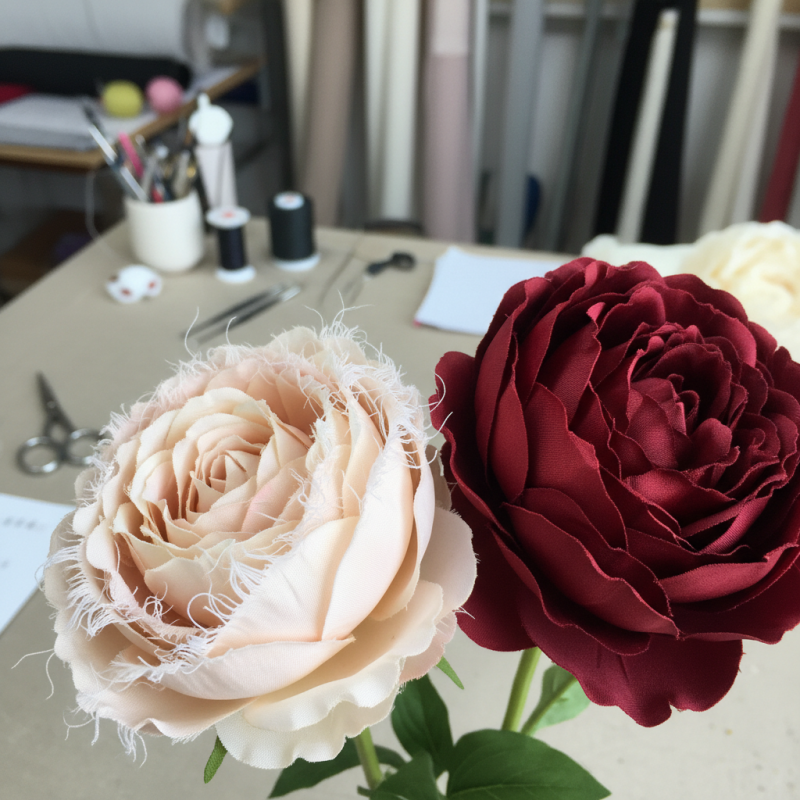
Silk flowers are popular for their beauty and longevity. However, fraying at the edges can be a common issue. Several key factors contribute to this problem. One primary cause is the quality of materials used in the manufacturing process. According to a report from the Craft & Hobby Association, lower-grade silk fibers can deteriorate faster than premium options. When exposed to sunlight, these fibers are more prone to fraying.
Another factor involves the construction techniques employed. Many manufacturers use sewing methods that may not secure the edges adequately. A study by the Textile Research Journal found that heat sealing and ultrasonic bonding can improve edge durability, reducing fraying incidents significantly. Yet, these methods are less commonly applied, leading to inconsistencies in product quality.
Humidity and environmental exposure play crucial roles too. In regions with high moisture levels, silk fibers absorb water, which can weaken them over time. Research indicates that humidity can increase the likelihood of fraying by up to 40%. This highlights the importance of considering storage and display conditions when using silk flowers, and recognizing that even small changes in the environment can have notable effects on their longevity.
| Factor | Description | Impact on Fraying |
|---|---|---|
| Quality of Material | Inferior silk may not be woven tightly, leading to fraying. | High |
| Environmental Conditions | Exposure to humidity and heat can cause fibers to weaken. | Medium |
| Manufacturing Process | Poorly executed seams and finishes can contribute to fraying. | High |
| Care and Maintenance | Improper cleaning methods can damage edges and lead to fraying. | Medium |
| Type of Silk Used | Different types of silk have varying levels of durability. | Low to High |
: The quality of materials is a primary factor in fraying. Lower-grade silk fibers deteriorate faster.
Exposure to sunlight can cause lower-quality silk fibers to fray more quickly over time.
Yes, heat sealing and ultrasonic bonding can improve edge durability. However, these methods are not commonly applied.
In humid environments, silk fibers can absorb water, weakening them and increasing fraying risk by up to 40%.
Many consumers prioritize quality. Approximately 70% focus on durability when selecting their flowers.
Yes, nearly 25% of consumers have encountered fraying in silk floral arrangements, raising quality concerns.
Manufacturers should improve quality control and ensure transparency in production methods to meet consumer expectations.
Yes, shoppers are becoming more discerning and often examine fabrics for durability before buying.
Unfortunately, discrepancies often occur. Many products labeled as "high quality" may not always meet standards.
Yes, even minor changes in storage or display can significantly impact the longevity of silk flowers.
The article "Why Do Some Silk Flowers Fray at the Edges in China?" explores the various factors contributing to the fraying of silk flowers. Key elements include material quality and the manufacturing processes prevalent in China. Lower-quality fibers and inadequate production techniques often lead to edges that are prone to wear and fraying, affecting the overall durability of silk flowers.
Additionally, environmental conditions such as humidity and exposure to sunlight can further exacerbate the fraying issue. Proper maintenance practices, including regular cleaning and careful storage, can help mitigate deterioration. Consumer awareness and preferences also play a significant role, as buyers increasingly seek higher quality products, influencing manufacturers to improve their offerings. Understanding why some silk flowers fray at the edges allows consumers to make more informed choices when purchasing these decorative items.

 Maison Flower