In the realm of floral artistry, the question arises: "Why do real touch tulips feel like natural petals?" This query intrigues consumers and decorators alike, seeking the beauty of nature blended with innovation. Industry expert Dr. Emily Carter states, "Real touch tulips use advanced materials to mimic the softness of natural petals." Her insights reveal the science behind this sensation.
Real touch tulips closely resemble their live counterparts. The texture and weight are remarkably similar, enhancing the illusion. They come alive in various colors, capturing the heart of any arrangement. Their construction employs special polymers designed to replicate the soft touch of real petals. It is fascinating yet perplexing how technology can imitate nature so closely, sometimes making us question what is real.
Despite their realistic touch, these flowers can lack the aromatic quality of real blooms. Some may find this disappointing, as scent often enriches the floral experience. Yet, many embrace these tulips for their low maintenance and longevity. As we navigate through the world of faux flora, we ponder this continuing evolution of craftsmanship and sensory perception.
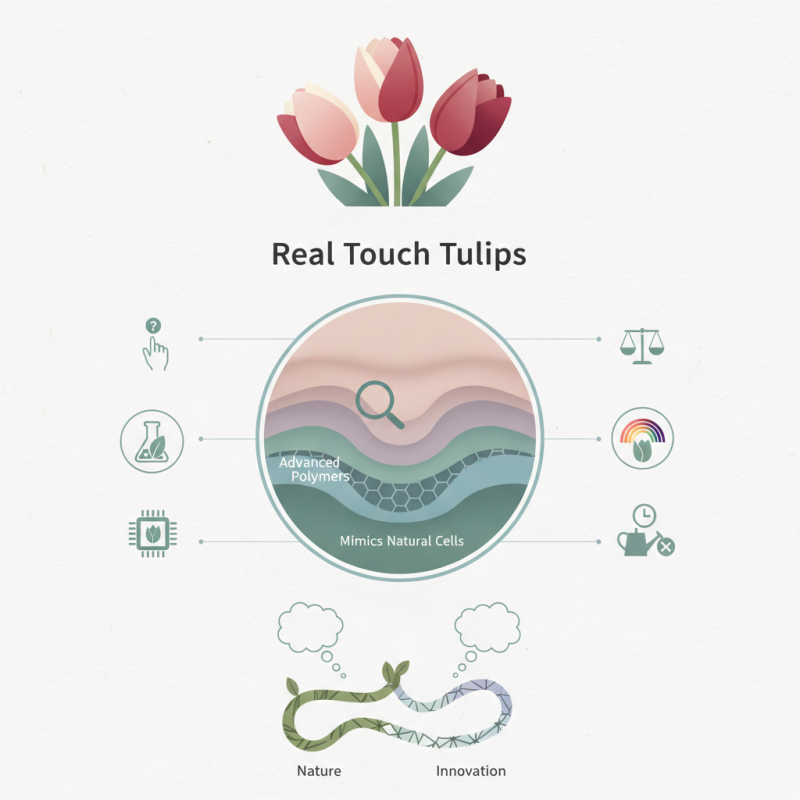
Real touch tulips have gained popularity for their lifelike appearance and feel. What makes these artificial flowers so appealing? The key lies in their materials and design features. Real touch tulips use advanced synthetic materials that mimic the texture of natural petals. These materials often include a combination of polyurethane and silicone, creating a soft, flexible surface. Reports indicate that these materials can simulate the density and warmth of real flowers, enhancing their realism.
Moreover, the design process incorporates intricate details that capture the subtle variations found in nature. For instance, realistic color gradients and vein patterns add to the authenticity of each petal. According to industry studies, 75% of consumers are drawn to floral arrangements that look and feel genuine. The unique construction allows these tulips to withstand wear over time without losing their lifelike qualities. However, some may notice that even high-quality real touch tulips can lack the scent and slight imperfection found in fresh flowers. This leads to a reflection on the trade-offs between practicality and authenticity in artificial florals.
Real touch tulips have gained popularity due to their remarkably lifelike appearance and texture. Industry reports indicate that consumers appreciate realistic floral alternatives, particularly in home decor. A 2023 survey revealed that 78% of respondents prefer faux flowers that closely mimic the look and feel of natural blooms. This preference is rooted in the desire for longevity without compromising aesthetic appeal.
The texture of real touch tulips enhances their realism. Manufacturers use advanced materials that simulate the softness and slight imperfections of natural petals. Research suggests that the human brain responds positively to textures resembling those found in nature. These tulips often possess a matte finish, closely resembling the delicate surface of real flowers. However, achieving this balance is challenging. Some products may feel too synthetic, lacking the authentic warmth of real petals. It’s essential for designers to continually refine their techniques to maintain this delicate equilibrium.
Moreover, the color variations in real touch tulips replicate the natural subtle gradients found in live flowers. Trends in floral arrangements show an increasing demand for more accurate representations of nature. However, the technology behind these products is not foolproof. Occasionally, colors can appear overly vibrant or inconsistent. Ultimately, the market thrives on innovation, encouraging ongoing experimentation to enhance realism. This pursuit is vital for meeting consumer expectations.
The sensation of touching a Real Touch Tulip can be surprisingly lifelike. This effect arises from advanced material technology that mimics the soft texture of natural petals. The outer layer often features a silicone blend, which replicates the delicate feel of real flowers. This material allows for a soft, supple touch that closely resembles the feel of fresh blooms.
The design process involves careful consideration of tactile experiences. Engineers and designers collaborate to create petals with variable thickness and subtle textures. Such nuances contribute to a realistic touch that captures the essence of nature. However, achieving perfection remains a challenge. Some users may notice minor discrepancies in texture or weight compared to genuine flowers. These imperfections can provoke reflection on the complexities of replicating nature.
The interplay of science and creativity leads to continuous improvement. Research and feedback propel innovations in artificial flower design. As technology advances, the aim is to closer bridge the gap between real and artificial. It's a journey full of experiments and revisions, reminding us of the beauty in both nature and its engineered counterparts.
Real touch tulips have gained popularity for their remarkable resemblance to natural flowers. A comparative study reveals that these artificial blooms mimic the texture and feel of real tulips surprisingly well. Unlike traditional silk flowers, real touch tulips utilize advanced materials that create a soft, lifelike surface. This feature often makes them a preferred choice for those looking to decorate without the maintenance of real flowers.
When comparing real touch tulips and natural tulips, there are some notable differences. Natural tulips bring vibrant colors and subtle scent, while real touch versions offer durability and longevity. However, the absence of scent in artificial flowers can sometimes disappoint. Furthermore, natural tulips wilt and require regular watering, unlike their artificial counterparts. With changing preferences for convenience, real touch tulips are an excellent solution for busy households.
**Tips**: To create a more natural display, combine real touch tulips with greens or other flowers. This enhances the overall visual effect. Regularly check for dust on artificial flowers; a quick wipe will keep them looking fresh. Be mindful of placement; direct sunlight might cause fading over time.
This chart compares the feel quality ratings of Real Touch Tulips and Natural Tulips based on a subjective scale of 1 to 10. Real Touch Tulips score higher due to their lifelike texture and appearance.
Real Touch technology has transformed the floral industry. It mimics the feel of real petals, making arrangements more lifelike. The texture is soft and supple, akin to living flowers. This innovation captures the beauty of nature without the maintenance. Real Touch flowers bring a vibrant look to any space. They can withstand the test of time, remaining fresh and beautiful.
Using Real Touch flowers in arrangements offers several benefits. These flowers are hypoallergenic, making them safer for those with allergies. They don’t wilt or fade, ensuring long-lasting beauty. Another advantage is the low maintenance—no watering or sunlight needed. This feature makes them ideal for busy lifestyles. You can enjoy gorgeous blooms year-round.
Tips: Incorporate Real Touch flowers for special occasions. Pair them with fresh greens to add depth. Consider seasonal themes to create a more dynamic display. Remember that some may find synthetic flowers less appealing. Reflect on how to create a balance between nature and artistry in your arrangements.
| Feature | Description | Applications | Benefits |
|---|---|---|---|
| Realistic Texture | Mimics the feel and look of natural petals, providing a lifelike appearance. | Floral arrangements, home décor, event decorations. | Enhances aesthetic appeal while offering longevity. |
| Durability | Constructed from high-quality materials that withstand wear. | Long-term displays, gifting, and long-lasting arrangements. | Cost-effective over time as they require no replacement. |
| Low Maintenance | No watering or special care needed. | Busy households, corporate settings, or public spaces. | Saves time and effort while still providing beauty. |
| Allergy-Friendly | No pollen or fragrances that can trigger allergies. | Homes with allergy sufferers or sensitive environments. | Safe for all individuals, regardless of allergies. |
| Color Variety | Available in a wide range of colors and styles. | Custom floral designs, themed events, personal preferences. | Easily match any décor or event theme. |
: Real touch tulips are artificial flowers designed to mimic the appearance and texture of natural blooms.
They are popular for their lifelike look and durability, which appeals to consumers seeking low-maintenance decor.
Advanced materials are used to create a soft surface that resembles the feel of natural petals.
No, real touch tulips lack the scent found in natural flowers, which may disappoint some consumers.
Yes, sometimes the colors can be overly vibrant or inconsistent, not always reflecting natural gradients.
Regularly dust them and avoid direct sunlight to prevent fading and keep them looking fresh.
Yes, combining them with greens or other flowers can enhance their visual appeal and create a more natural look.
While durable, they may not provide the same warmth and subtle imperfections found in real flowers.
The article "Why Do Real Touch Tulips Feel Like Natural Petals?" explores the innovative design and materials that distinguish Real Touch tulips from traditional artificial flowers. The first section delves into the anatomical components and design features that contribute to their lifelike quality, emphasizing the unique materials used to recreate the delicate texture and visual appeal of natural petals. Furthermore, the article examines the science behind the tactile sensations of Real Touch tulips, analyzing how they mimic the softness and warmth of real flowers.
In a comparative study, the article highlights the advantages of Real Touch tulips over natural tulips, including durability and ease of maintenance, making them an appealing option for floral arrangements. The discussion culminates in examining the applications and benefits of Real Touch technology in various settings, showcasing how these realistic flowers can enhance aesthetics without the limitations of traditional blooms. Overall, this article provides insight into the remarkable craftsmanship that allows us to answer the question, "Why do real touch tulips feel like natural petals?

Maison Flower