Seasonal silk flowers can bring color back to a room without repeating last year’s decorating costs. However, careless storage may leave petals crushed, stems bent, or colors dulled by dust. Learning How to store seasonal silk flowers for next year begins with gentle cleaning and careful sorting. Shake each arrangement outdoors, then use a soft makeup brush or cool hairdryer setting to remove fine dust. Do not soak delicate petals, especially if they contain glued details or wired centers. Check every stem for loose leaves, broken wires, and fading before packing.
A florist-inspired storage routine protects both appearance and structure. Wrap larger blooms in acid-free tissue, and place heavier pieces beneath lighter ones. Use shallow plastic bins with secure lids, but avoid sealing flowers while they are damp. A dry, cool closet is safer than an attic with intense heat or a basement with changing humidity. I once stored velvet flowers in a packed cardboard box, and several petals developed permanent creases. It was not my best system. Now, I label each container by season and photograph its contents before closing the lid. This small record saves time when decorations return. Still, storage is never completely risk-free. Some materials age naturally, and older silk flowers may need gentle reshaping. A thoughtful inspection each year helps you decide what to repair, reuse, or replace.
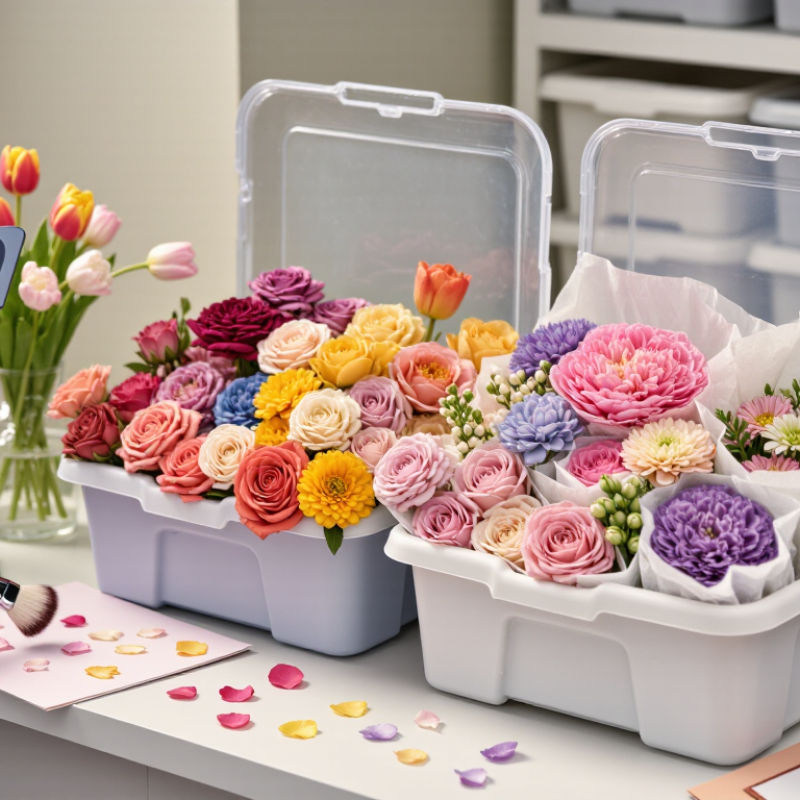
Before storing seasonal silk flowers, assess each stem carefully. Look for faded petals, loose leaves, bent wires, and visible dust. I once packed flowers too quickly and found crushed petals the next spring. That mistake taught me to inspect arrangements under bright, natural light. Gently shake each piece and check hidden areas near the center. Remove damaged parts if they cannot be repaired. Keep fragile flowers separate from sturdy greenery.
Clean silk flowers with a soft makeup brush or a cool hairdryer setting. Avoid soaking them, because moisture may loosen glued details or create mildew on fabric. For stubborn dust, use a barely damp cloth on a hidden section first. Let every piece dry completely. Then reshape stems slowly by hand. Wrap delicate blooms in acid-free tissue, not newspaper, which can transfer ink. Store flowers in a rigid container with enough space to prevent crushing. Add a small moisture absorber, but keep it away from direct contact.
Tips: Label each container by season and room. Place heavier stems underneath lighter blooms. Store the container in a cool, dry closet away from sunlight. Check it once during the off-season. I sometimes skip this step, but early inspection can reveal humidity damage before it spreads. Avoid sealed plastic bags when the storage area feels damp. A breathable fabric cover may work better.
How to Store Seasonal Silk Flowers for Next Year?
Before packing, clean every arrangement carefully. Dust petals and leaves with a soft makeup brush or clean microfiber cloth. Work from the center outward, where dust often settles. For removable stains, test a barely damp cloth on an unseen area first. Some silk flowers lose color when wet. Never soak them without checking the care instructions. Let each piece air-dry completely for several hours. Moisture trapped inside petals can encourage mildew and create a stale smell.
Take apart large arrangements when possible. Photograph the original design before removing stems. This small step makes rebuilding easier next season. I once packed a centerpiece while its foam base still felt cool and damp. It developed an unpleasant odor, so I had to discard the packing material. Dryness matters more than speed. Wrap delicate blooms loosely in acid-free tissue, then place them in a sturdy, breathable container. Avoid tight plastic bags, newspaper, and heavy objects that can crush petals. Store the box in a cool, dry closet away from sunlight, heaters, and sudden temperature changes.
Tips: Label each container by season and room. Add a few silica gel packets, but keep them away from children and pets. Check the flowers once during storage. If you notice dust, flattening, or moisture, correct it early. I prefer inspecting them sooner rather than trusting a sealed box for months.
Clean and dry each flower arrangement before packing.
For long-term storage, keep cleaned silk flowers in a cool, dry environment. A stable temperature of 18–22°C and relative humidity of 30–50% helps reduce moisture-related problems such as mildew, odors, and fabric deterioration. Allow every arrangement to dry completely before placing it in a breathable storage container.
Seasonal silk flowers stay attractive when storage protects their shape, fabric, and color.
Before packing, remove dust with a soft makeup brush or cool air from a distance. Do not wash them unless the care instructions clearly allow it. Moisture can leave pale marks or encourage mildew on stems and leaves. Let every piece dry completely.
I learned this after storing one damp arrangement overnight.
Use acid-free tissue paper to cushion petals and preserve delicate colors.
Avoid newspaper because its ink may transfer onto light fabrics. Wrap long stems separately, then cover loose bouquets with a breathable cotton sheet. A clean, rigid storage container offers better protection than a thin cardboard box. Choose a container with enough height, so blossoms are not pressed against the lid. Dividers or small cardboard sections can prevent stems from tangling. Bubble wrap seems convenient, but it may flatten soft petals.
Place heavier arrangements underneath and lighter pieces above them.
Fill empty spaces with loosely crumpled tissue, never packed tightly. Store the container in a cool, dry, dark cupboard away from heaters and direct sunlight. An airtight container can work, but only when the flowers are completely dry.
Check the flowers every few months for dust, moisture, or flattened petals. My own mistake was overfilling one box, which bent several leaves permanently.
Leave them some breathing room. Label each container with the season and arrangement type for easier retrieval next year.
Before packing, inspect each silk flower under bright light. Remove loose dust with a soft makeup brush or a cool hair dryer setting. Avoid strong airflow, which can bend thin petals. If stems carry moisture, let them dry completely for several hours.
I once stored flowers too soon, and trapped dampness left a musty smell inside the box.
Wrap individual blooms loosely in acid-free tissue paper. This protects delicate petals from rubbing and reduces crushing. Do not compress large arrangements into a small container. Place heavier stems underneath and lighter blooms above them. A rigid cardboard box usually offers better support than a thin storage bag. Add clean tissue between layers, especially around raised leaves and wired stems.
Keep the box in a cool, dry, dark cupboard. Sunlight can fade fabric, while humidity may encourage mildew on dusty surfaces. Avoid basements, garages, and areas beside heaters. If your home is humid, use a moisture absorber nearby, not directly against the flowers. Do not seal damp flowers in airtight plastic. Label the box with its contents and storage date. Check it once during the off-season.
My own system is not perfect; a few bent leaves still appear each spring. A short reshaping session with gentle fingers usually restores them.
Seasonal silk flowers last longer when storage begins with a careful inspection. Before packing, gently shake each stem over a clean sheet. This reveals dust, loose petals, insects, or fading. Use a soft makeup brush or cool hairdryer setting to remove surface dust. Avoid soaking the flowers, because water can weaken glued sections and stain fabric petals. Check every wire stem for bends, then reshape it slowly.
Clean, dry flowers should rest in a sturdy plastic container with a tight lid. Line the container with acid-free tissue paper, and wrap large blooms separately. Do not crush arrangements under heavy decorations. Store the container in a cool, dry closet away from sunlight, heaters, and damp walls. Heat may warp plastic parts. Humidity can encourage musty odors and discoloration.
I once packed flowers before they were fully dry. That small mistake created a stale smell by spring. Now I leave cleaned pieces uncovered overnight. Label each container with its room and arrangement style. This saves time during seasonal decorating. When the next season arrives, inspect every flower again. Replace flattened tissue, brush away dust, and gently fluff each petal with your fingers. A loose leaf may need a tiny amount of craft adhesive, but test the adhesive on a hidden area first. Some repairs remain visible, and that is worth noticing before display. Rotate stems toward natural-looking angles, then place the arrangement away from direct afternoon light.
Check each stem in bright natural light. Look for faded petals, loose leaves, bent wires, dust, and hidden damage. Gently shake every piece. Remove parts that cannot be repaired.
Use a soft makeup brush or clean microfiber cloth. Brush from the center outward. A cool hairdryer setting can remove loose dust. Avoid soaking the flowers.
Test a barely damp cloth on a hidden area first. Some fabrics lose color when wet. If the color changes, stop immediately. Small caution helps.
Trapped moisture can encourage mildew and create a stale smell. Let each piece air-dry for several hours. Never pack flowers that feel cool or damp.
Take them apart when possible. Photograph the original design before removing stems. The picture can guide rebuilding next season. I sometimes forget this step.
Wrap fragile blooms loosely in acid-free tissue. Keep delicate flowers separate from sturdy greenery. Do not press tissue tightly against petals.
Use a rigid, breathable container with enough space. Avoid tight plastic bags, especially in damp rooms. Place heavier stems underneath lighter blooms.
Choose a cool, dry closet away from sunlight, heaters, and sudden temperature changes. Label it by season and room. Clear labels save time later.
Yes. Inspect them once for dust, flattened petals, odors, or moisture. Correct problems early. I have skipped this check before, and regretted it.
Learning how to store seasonal silk flowers for next year begins with a careful assessment. Remove wilted-looking pieces, loose petals, and damaged stems, then gently shake or brush away dust. Clean each arrangement with a soft cloth, feather duster, or low-pressure air, and make sure all flowers, leaves, and containers are completely dry before packing. Moisture left behind can lead to stains, odors, or material damage during storage.
Choose sturdy containers with enough space to prevent crushing, and use acid-free tissue paper, soft cloth, or bubble wrap to protect delicate shapes. Place heavier items at the bottom, keep arrangements separated, and avoid tightly compressing petals or stems. Store the containers in a cool, dry, dark area away from heat, sunlight, and humidity. At the start of the next season, inspect each arrangement, gently reshape bent stems and petals, remove accumulated dust, and refresh the display before bringing it back into your home.

Maison Flower