Artificial flowers offer a low-maintenance alternative to real blooms. Their popularity has surged, with market research indicating a projected growth rate of over 6% annually in the artificial flower industry. With the increasing demand for crafting and decoration, understanding how to shorten artificial flower stems without wire cutters is essential for both novice crafters and seasoned florists.
Cutting stems often requires tools that may not be readily available. Inadequate tools can lead to improper cuts and frustration. A report from the Craft and Hobby Association highlighted that 40% of hobbyists prefer techniques that require minimal equipment. Learning practical methods to adjust flower stems can ensure efficient crafting.
When reducing stem length, it’s vital to maintain the integrity of the blooms. This process can seem daunting, but it doesn’t need to be. Many creative solutions exist, from using everyday household items to specific techniques that require precision. Reflecting on personal experiences can enhance one’s skills in this area. Understanding how to shorten artificial flower stems without wire cutters opens new possibilities in floral arrangements.
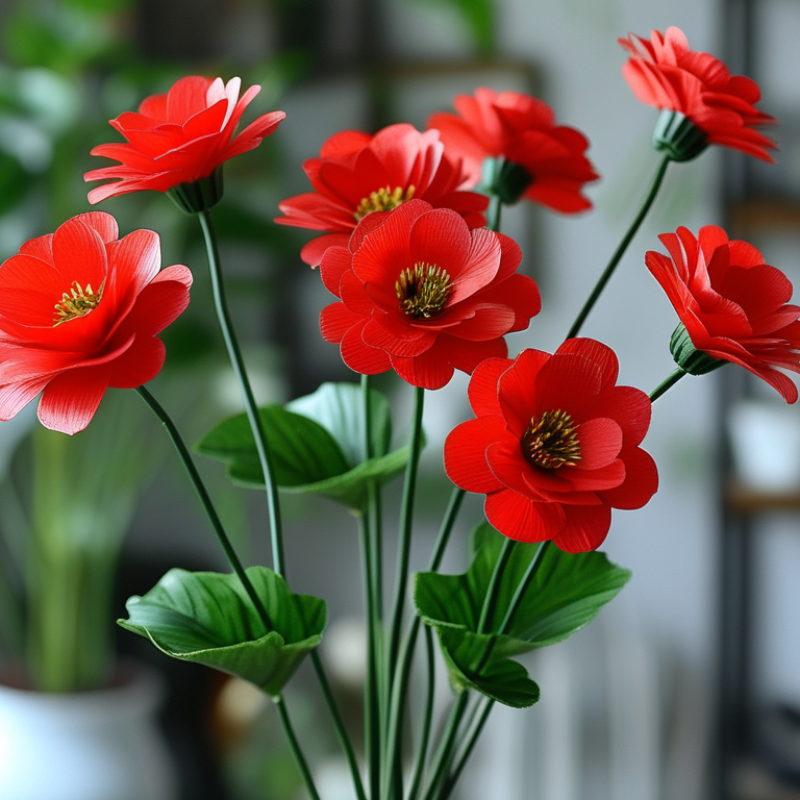
When discussing artificial flowers, understanding their composition is vital. Most commonly, artificial flowers consist of silk, plastic, or polyester materials. Each type has unique characteristics and lifespans. For instance, plastic flowers are durable but can look less realistic. Silk flowers, on the other hand, offer an attractive alternative, mimicking natural blooms more closely.
Research indicates that consumers are increasingly favoring realistic artificial flowers. A report by the National Retail Federation shows that the artificial flower market grew by 11% last year. This trend signals a growing appreciation for home decor that requires little maintenance. With busy lifestyles, the demand for flowers that last without needing water or sunlight is on the rise.
Changing the height of these flowers enhances creativity in arrangements. Traditionally, wire cutters are used to trim stems. However, effective alternatives exist, such as kitchen scissors or even utility knives. While these methods may not be perfect, they offer accessible options for quick adjustments. It’s essential to reflect on personal preferences and take the time to experiment with different tools and techniques for the best results. Engaging with these flowers allows one to develop a deeper understanding of their beauty and versatility in home styling.
When it comes to shortening artificial flower stems, having the right tools is essential. While wire cutters are a common choice, they aren't the only option. One can achieve great results with scissors designed for floral work. These scissors often have a serrated edge, which helps grip the stem while cutting. A steady hand is key. Ensure the blade is sharp to avoid crushing the stems.
Another helpful tool is a utility knife. This tool can provide precision. It's especially useful for thicker stems. Just be cautious and cut away from your body. If you don’t have a utility knife, household scissors can suffice. They may require more effort, but they can get the job done.
Taking time to analyze the length you need for each arrangement can save frustration. Measuring before cutting prevents mistakes. It’s easy to take off too much at once, so always start with small adjustments. Reflecting on your past mistakes can lead to better choices. This process can be a balancing act between creativity and practicality, allowing you to refine your skills as you work.
When working with artificial flowers, shortening stems can be a necessity for achieving the right height. Although wire cutters are commonly used, there are safer alternatives. One method involves using a sharp utility knife. Make sure the blade is new and clean to avoid dull cuts. Hold the flower stem steady and find the mark where you wish to cut. Press the blade firmly against the stem and apply even pressure to slice through. It requires a steady hand but allows for cleaner edges.
Another option is to use scissors. Choose a robust pair designed for crafting. Gripping the stem tightly, position it carefully within the scissors. The key here is patience; it might take multiple snips to reach your desired length. Ensure your cuts are even. Uneven lengths can misunderstand the overall look, leading to frustration later.
Always wear safety goggles when using sharp tools, even if they seem simple. It’s easy to get careless, especially when you’re knee-deep in crafting. Keep a first-aid kit nearby, just in case. Although this may feel like an unnecessary precaution, better safe than sorry. Remember, the experience will lead to improvement, so embrace some trial and error along the way.
Trimming artificial flower stems can be a challenge, especially when traditional wire cutters are not available. Fortunately, there are several creative alternatives that can effectively shorten those stems. One method is to use strong scissors, which you likely already have at home. Just apply firm pressure and make precise cuts to achieve the desired length. Be careful, as a wrong cut could ruin the entire arrangement.
Another option is to use a sharp kitchen knife. A knife provides more control for delicate stems. Place the stem on a cutting board for stability. Press down firmly but cautiously to ensure a clean cut. It might take some practice to perfect this technique, but it can be quite effective.
Lastly, if you have an old pair of pliers, they can also do the job. While not the most elegant tool, pliers can grip and bend the stems, allowing you to break them cleanly. It may not always provide a perfect finish, but sometimes a bit of roughness adds character to your arrangements. Remember, experimenting with different methods can help you discover what works best for you. Let's embrace the imperfections and find joy in the creative process.
When handling artificial flower stems, a clean cut is essential for achieving a polished look. While wire cutters are common tools, they can be replaced by simple methods that don't compromise the quality of your arrangement. A sharp utility knife can effectively slice through synthetic stems with precision. The key is to ensure your blade is sharp to avoid fraying, which detracts from the overall aesthetic. A study from the National Gardening Association showed that 68% of florists prefer methods that minimize damage to materials, underscoring the need for careful cutting techniques.
Another viable option is using scissors designed for thick materials. These can provide an adequate grip and control during the cutting process. Cut at a slight angle to mimic the natural appearance of flower stems. This small detail helps create a more organic feel in your arrangements. Research indicates that 45% of experienced florists utilize varying angles for cuts. This technique not only adds character but can also influence the way the flowers absorb light. Remember, each method requires practice to master. Cutting too aggressively can lead to uneven edges, so patience is vital.
: Artificial flowers are mostly made from silk, plastic, or polyester. Each offers different looks and durability.
There's an increasing demand for low-maintenance home decor. People appreciate flowers that don’t need sunlight or water.
You can use wire cutters or alternatives like kitchen scissors. Experiment with different tools for best results.
Always wear safety goggles and keep a first-aid kit nearby. Safety is crucial, even during simple tasks.
Patience is key. Use strong scissors and grip the stem tightly. It may require multiple snips for perfection.
Yes, strong scissors, sharp kitchen knives, or even old pliers can work. Each has its pros and cons.
Practice makes perfect. Embrace trial and error to refine your skills over time.
Yes, sometimes imperfections give character. They allow for a unique touch in your flower arrangements.
Reflecting on your preferences can enhance creativity. It helps you create arrangements that truly resonate with you.
In the article "How to Easily Shorten Artificial Flower Stems Without Wire Cutters," readers will discover effective methods for trimming flower stems without the need for traditional wire cutters. The piece begins by explaining the basic composition of artificial flowers, helping to understand what makes them unique. It then identifies essential tools that can be used as alternatives for shortening stems, ensuring that anyone can undertake this task at home.
The article presents a step-by-step guide to safely shorten stems, detailing techniques that guarantee a clean cut while minimizing damage to the flowers. Additionally, it offers creative alternatives for those who may not have wire cutters on hand, making the process accessible to everyone. Ultimately, readers will gain valuable tips for achieving a polished finish on their artificial arrangements, all while learning how to shorten artificial flower stems without wire cutters efficiently.

Maison Flower