China Top Guide How to Bleach Dried Flowers for a Boho Look

Time:2026-11-05 Author:Isabella
0%

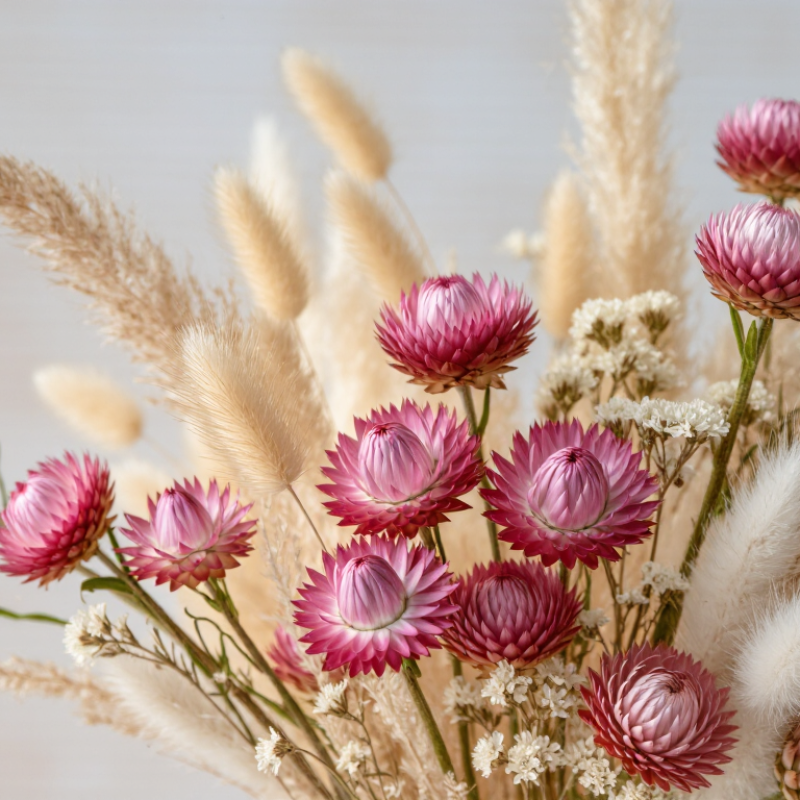
A soft, chalky finish can turn rust-red strawflowers, cream statice, or pale bunny tails into a relaxed boho arrangement. But bleaching is not a color switch. Stem age, flower density, and previous drying conditions all affect the result. How to bleach dried flowers for a boho look begins with choosing sturdy, fully dry stems and testing one small bunch. Expect variation.

The market context is encouraging, though it should not be mistaken for proof that every DIY technique works. Grand View Research’s Dried Flowers Market report estimated a global market value of about US$1.2 billion in 2022 and projected continued growth through 2030. Research and Markets also tracks dried-flower products and applications in its market coverage. These reports help explain the category’s visibility; they do not guarantee a particular finish or lifespan. This guide focuses on practical control: selecting suitable flowers, preparing a ventilated workspace, following product-label directions, and assessing color in natural light. Wear gloves, protect nearby surfaces, and never mix household chemicals. Small details matter. A pale outer petal may conceal a darker center, and delicate heads can shed after treatment. I have found that restraint often looks more natural than chasing perfect white. Some stems will emerge unevenly. That is not always a flaw; it can add texture, but it deserves an honest look before arranging.
China Top Guide How to Bleach Dried Flowers for a Boho Look

What Bleached Dried Flowers Are and Why They Suit Boho Decor

Bleached dried flowers are preserved stems whose natural color has been softened or lifted to create pale, muted tones. Depending on the flower and treatment, the result may be ivory, sandy beige, or a dusty white—not always a clean, even white. Delicate petals can become brittle, and some stems keep darker veins or edges. Not every stem cooperates. A small test piece can reveal how a variety may change before you arrange a full bundle.

These soft colors suit boho decor because they sit easily beside natural textures. Picture pale straw-colored grasses in a rough ceramic vase, with linen curtains and a woven basket nearby. The flowers add shape without bringing a strong block of color, so wood, clay, and textiles remain part of the scene. Their uneven tones can also make an arrangement feel collected rather than polished. That imperfection is appealing, though it can look messy if every stem has a different shade. Pairing a few bleached flowers with naturally toned dried grasses usually creates a calmer balance. A little restraint helps.

Materials and Safety for Bleaching Dried Flowers

For a boho finish, gather fully dried flowers, household bleach, a non-reactive glass or plastic container, disposable gloves, eye protection, and an apron. Use a ventilated workspace and protect the table with a washable covering. Read the product label before preparing any dilution; directions and concentrations vary. Keep the bleach in its original container. Never mix chemicals.

The CDC reported that U.S. poison centers received 20.4% more calls about cleaner exposures and 16.4% more about disinfectant exposures in January–March 2020 than during the same period in 2019. These figures cover broad product categories, not bleach alone, but they underline why careful handling matters (MMWR, 2020). Avoid splashes, and keep children and pets away from the work area. If bleach contacts skin or eyes, follow the label’s first-aid instructions and seek medical advice when needed.

Work on a small flower sample first. Thin petals can lose their shape or become brittle, and results vary by species and drying method. That part is easy to misjudge. Check flowers often rather than leaving them unattended, and stop if the material weakens. Rinse and dry treated stems as directed by the product label, then dispose of leftover solution according to its instructions. Don’t pour it into a container for later use.

How to Prepare Dried Flowers for Bleaching

Before bleaching, choose flowers that are fully dry, with firm stems and petals that are not already crumbling. Sort them by species and thickness; delicate petals may fade or break sooner than woody stems. Brush away dust with a soft, dry brush, then remove leaves and damaged material. Keep the flowers dry. Added moisture can soften petals and make the finish uneven. Iowa State University Extension guidance puts air-drying flowers at roughly one to three weeks, depending on the flower and conditions. Check the stems, not just the calendar. Test one stem.

Lay out the flowers in a single layer and label each group before treatment. This makes it easier to compare results across varieties. I still find an overlooked leaf now and then; it can leave a darker patch. USDA NASS reported about $6.7 billion in U.S. floriculture grower sales in its 2023 Floriculture Crops summary, underscoring the value of careful flower handling. That figure is industry context, not a bleaching standard. Wear gloves, work with good ventilation, and never mix bleach with other cleaners. Some blooms will still color unevenly. That is part of the experiment.

How to Bleach Dried Flowers Step by Step

Choose sturdy, fully dry stems such as statice, strawflower, or eucalyptus. Remove dusty leaves and trim uneven ends. The USDA’s 2023 Floriculture Crops report valued U.S. floriculture sales at about $6.7 billion; that industry figure offers context, not a recipe for bleaching. There is no single safe exposure time for every flower. Test one stem.

Wear gloves and eye protection, and work outdoors or in a well-ventilated area. Mix one part plain household bleach with ten parts cool water in a non-metal container. Never combine bleach with ammonia, vinegar, or other cleaners. Dip a test stem for about ten seconds, then check its color and strength. If it looks sound, treat a few stems at a time, briefly dipping or brushing the solution onto the petals. Avoid soaking delicate blooms.

Lift stems gently with tongs, blot them with paper towels, and lay them on a rack away from direct sunlight. Let them dry completely before arranging; damp petals can spot or collapse. If the texture turns papery, stop. I’ve found the palest blooms can look beautiful, but they also reveal every bruise, so keep a few natural stems nearby for contrast.

How to Dry, Style, and Preserve Bleached Flowers

Bleached flowers start with fully dried stems; damp material can discolor unevenly or develop mold. Choose sturdy flowers such as strawflower, statice, or small grasses. Remove dusty leaves, then test one spare stem, because petals react differently. Some may curl. That is part of the process, though not always the look you want.

For a paler finish, use a small amount of household bleach diluted according to its label. Work outdoors or in good ventilation, wear gloves, and never mix bleach with other cleaners. Briefly dip a test stem, then check its color before treating the rest. Avoid soaking delicate blooms; moisture can soften petals and weaken stems. Let treated flowers dry completely on paper in a shaded, airy place. If they look blotchy, the result may be irreversible, so go slowly.

Arrange the dried stems in a clean, dry vase, mixing ivory blooms with natural tan grasses for a relaxed boho palette. Keep the arrangement away from sunny windows, heaters, and humid rooms; light fades color, while moisture encourages brittleness and mold. Handle stems near their base, not by the flower heads. A few imperfect edges can feel natural, but crushed petals usually mean the bouquet needs gentler handling. Brush away dust with a soft, dry artist’s brush.

FAQS

Which flowers are suitable for bleaching?

Choose fully dry stems with firm petals, such as statice, strawflower, or eucalyptus. Test one stem first. Delicate petals may crumble.

How should I prepare dried flowers?

Brush off dust with a soft, dry brush. Remove leaves and damaged pieces, then sort flowers by type and thickness. Keep them dry.

What supplies do I need?

Use household bleach, cool water, a non-metal container, gloves, eye protection, and an apron. Cover the work surface. Keep children and pets away.

How do I dilute the bleach?

The article describes one part plain household bleach to ten parts cool water. Check the product label before preparing any dilution. Directions can vary.

How can I reduce safety risks?

Work outdoors or in a well-ventilated area. Never mix bleach with other cleaners. Avoid splashes, and follow the label’s first-aid instructions after contact.

How long should flowers stay in the solution?

There is no single time for every flower. Dip a test stem briefly, check its color and strength, and stop if it weakens. About ten seconds is suggested for the test.

How should I dry treated flowers?

Lift stems gently, blot them with paper towels, and place them on a rack away from direct sunlight. Let them dry completely. Damp petals can spot or collapse.

Why might the color look uneven?

Flower types and drying methods affect results. An overlooked leaf can leave a darker patch, and pale petals show bruises easily. I still miss a leaf sometimes.

Conclusion

Learn how to bleach dried flowers for a boho look with a simple, thoughtful process that brings out soft, muted tones while preserving each stem’s natural character. The guide explains what bleached dried flowers are and why their neutral shades and delicate textures work well in relaxed, bohemian-inspired decor. It also covers the basic materials you may need and practical safety considerations, such as working in a well-ventilated area and protecting your hands and work surface.

Before bleaching, choose suitable dried flowers, remove dust and damaged leaves, and arrange the stems so they are ready to handle. Follow the steps carefully, checking the flowers as their color changes to avoid overprocessing. Once they reach the desired shade, allow them to dry completely. Finally, discover ways to style and preserve your finished flowers, helping them remain a beautiful, understated accent in arrangements and home decor.

Isabella

Isabella

Isabella is a dedicated marketing professional with a sharp focus on driving brand growth and engagement through strategic content creation. With an extensive background in digital marketing, she combines her passion for storytelling with her keen understanding of industry trends to deliver......