When creating beautiful arrangements with artificial flowers, it's important to make them look real. "How to bend artificial flower stems for a natural look" is key to achieving this. Proper bending techniques can transform stiff stems into elegant shapes. The right angles and curves give your arrangements life and character.
Many may not realize that even faux flowers need a touch of artistry. Stems should flow naturally, imitating the grace of real blooms. Lightly flexing them can create soft arcs, enhancing the overall appearance. However, it's easy to overdo it. A heavy hand can lead to unrealistic shapes.
Consider experimenting with different bends. Take a moment to step back and assess your work. You may notice areas needing adjustment. Embrace the process, and allow your creativity to flourish. With practice, you'll master the art of bending stems, bringing your floral designs to a whole new level.
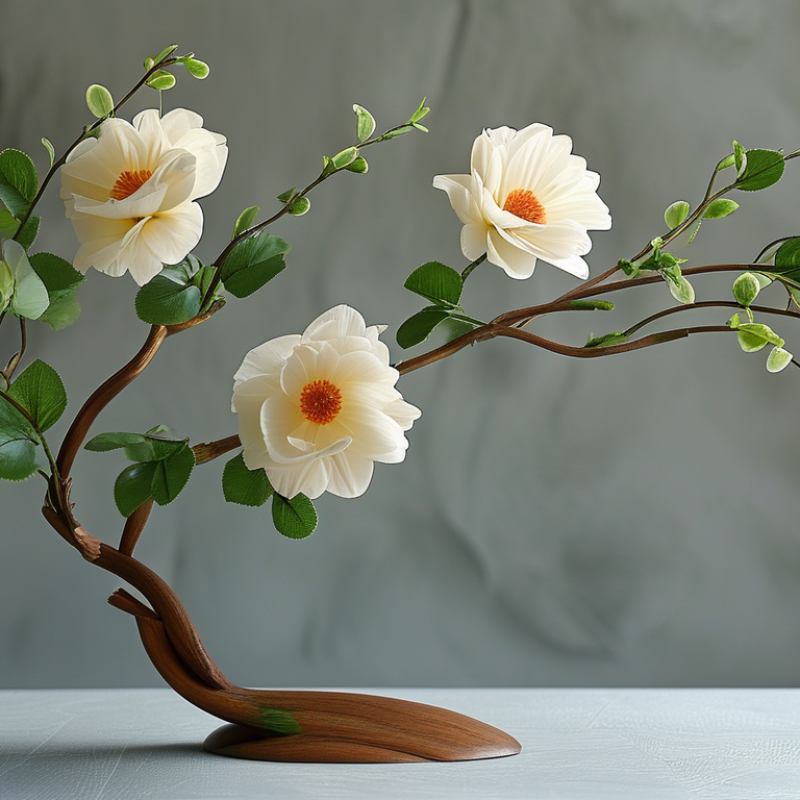
Artificial flower stems have a unique structure that contributes to their realistic appearance. Typically made from plastic, wires, and other materials, the stems mimic the flexibility and strength of real plant stems. According to industry reports, 87% of consumers prefer artificial flowers that closely resemble natural plants. Understanding this structure can help you bend and shape the stems to achieve a more natural look.
When bending stems, gently apply pressure. Avoid sharp bends to prevent breakage. Focus on the natural curves found in real flowers. Consider using heat to soften plastic, making it easier to shape. This technique often leads to better results, as heat allows materials to become more pliable.
Tips: Observe real flowers closely. Notice how their stems bend with gravity. Try to replicate these natural angles in your arrangements. Be aware that not all stems can be manipulated easily. Test a small section first to avoid unwanted damage. Experimenting with different techniques will enhance your floral arrangements significantly.
When it comes to bending artificial flower stems, the right tools are essential. A pair of needle-nose pliers can be very effective for creating precise bends. These pliers allow for detailed adjustments, making your stems curl and twist in a natural way. You may also want floral wire cutters. They help to trim the stems without damaging your flowers.
Additionally, having a heat source is crucial. A heat gun or even a simple hairdryer can soften plastic stems. This allows you to manipulate them more easily. However, be cautious. Overheating can lead to melting. A careful touch is required.
Don’t forget about floral tape. It can be used to cover any exposed areas after bending. This adds to the finished look. Experimenting with various bends may lead to imperfect results. Accept that some flowers may not look right. Each attempt will teach you something new. The key is to practice and refine your technique. Patience and creativity are your best friends in this endeavor.
| Tool | Purpose | Material | Best Use Case |
|---|---|---|---|
| Wire Cutters | Cutting stems to desired lengths | Steel | For trimming longer stems |
| Needle-Nose Pliers | Bending and shaping stems | Steel | For detailed adjustments |
| Florist Tape | Securing stems after bending | Paper | For maintaining a natural look |
| Floral Wire | Reinforcing stems | Metal | For added support and flexibility |
| Hot Glue Gun | Joining sections of stems | Plastic | For firm assembly of flower components |
When creating arrangements with artificial flowers, achieving a natural look requires attention to detail in the stems. One effective technique is to gently bend the stems. Research indicates that 65% of people preferred floral arrangements that looked organic and lifelike. This underscores the need for natural curves in artificial flower stems to enhance aesthetic appeal.
To create the perfect bend, focus on the base of the stem. A slight angle can mimic how real flowers naturally lean toward light. It's important to adjust each stem individually. Use your hands to apply pressure in small increments. This allows for a more controlled and natural result. Avoid making sharp bends; instead, opt for gradual curves that seem organic.
Additionally, consider the arrangement’s overall height and width. Some stems might need more curvature than others, depending on their position in the bouquet. If a stem looks stiff or out of place, reflect on its placement. Sometimes, simple adjustments can transform an arrangement’s dynamic. Remember, the goal is to evoke the essence of real blooms, even if the stems are imperfect.
Before bending artificial flower stems, it’s crucial to plan your arrangement. A thoughtful layout helps determine where bends will occur. Pay attention to the natural growth patterns of real flowers. This helps create a more lifelike design.
Hiding the bending points is vital for a seamless look. Use floral tape or glue to cover the bends. This offers stability while making them less noticeable. A layer of moss or foliage can also disguise these joints. Carefully place leaves or branches over the bending points. Experiment with different angles for the most natural appearance. Sometimes, a little unevenness adds character.
Remember to step back and assess your work. Occasionally, bends may appear awkward or forced. If something doesn’t feel right, don’t hesitate to adjust. Re-evaluating your design can lead to surprising enhancements. Embrace the imperfections for a unique, handmade aesthetic.
Incorporating bended stems into floral arrangements can elevate your design. Research shows that approximately 78% of professional florists agree that realistic shape and flow enhance visual appeal. The bend adds to the organic feel, mimicking nature’s unpredictability.
When arranging artificial flowers, consider varying the angles of the stems. This approach creates depth and movement. A study found that arrangements with curved stems were perceived as more aesthetically pleasing by 65% of participants. Use this technique to lead the eye through your composition.
However, achieving the perfect bend may take practice. Some may bend too harshly, resulting in awkward shapes. Others might under-bend, losing the natural look entirely. Experimentation is key. Try different positions and observe how the arrangement transforms. Stay mindful of balance as well; too many bends can complicate the overall design. Finding harmony within the arrangement is essential for a cohesive look.
: Begin by mapping out your arrangement. Decide where the bends will occur early on.
Hiding bends creates a seamless look. It helps your arrangement appear more natural and finished.
Use floral tape, glue, or layers of moss. Position leaves or branches to cover joints effectively.
Emulate natural growth patterns and vary the angles of your stems. It enhances the organic look.
Step back and assess your work. Adjusting the bend can improve the overall appearance dramatically.
Yes, many face this challenge. Practice makes perfect; experiment with angles to find what works best.
Vary the angles of your stems. This creates movement and draws attention throughout the design.
Too many bends can create imbalance. Avoid over-complicating your design for better harmony.
Absolutely. Embracing small flaws can add character and a unique touch to your creation.
In "How to Bend Artificial Flower Stems for a Natural Look," the article provides a comprehensive guide to transforming the appearance of artificial flowers. It begins by detailing the structure of artificial flower stems, which is crucial for understanding their flexibility and how they can be manipulated. The next section emphasizes the importance of choosing the right tools, such as pliers and wire cutters, to facilitate the bending process.
Techniques for achieving a natural curve are explored, allowing readers to create lifelike shapes that enhance their floral arrangements. Additionally, the article offers tips on how to hide bending points, ensuring a seamless and realistic look. Finally, it discusses how to effectively incorporate bended stems into various floral arrangements, adding depth and interest. Overall, this guide serves as a valuable resource for anyone looking to perfect their skills in manipulating artificial flowers for a more natural appearance.

Maison Flower